
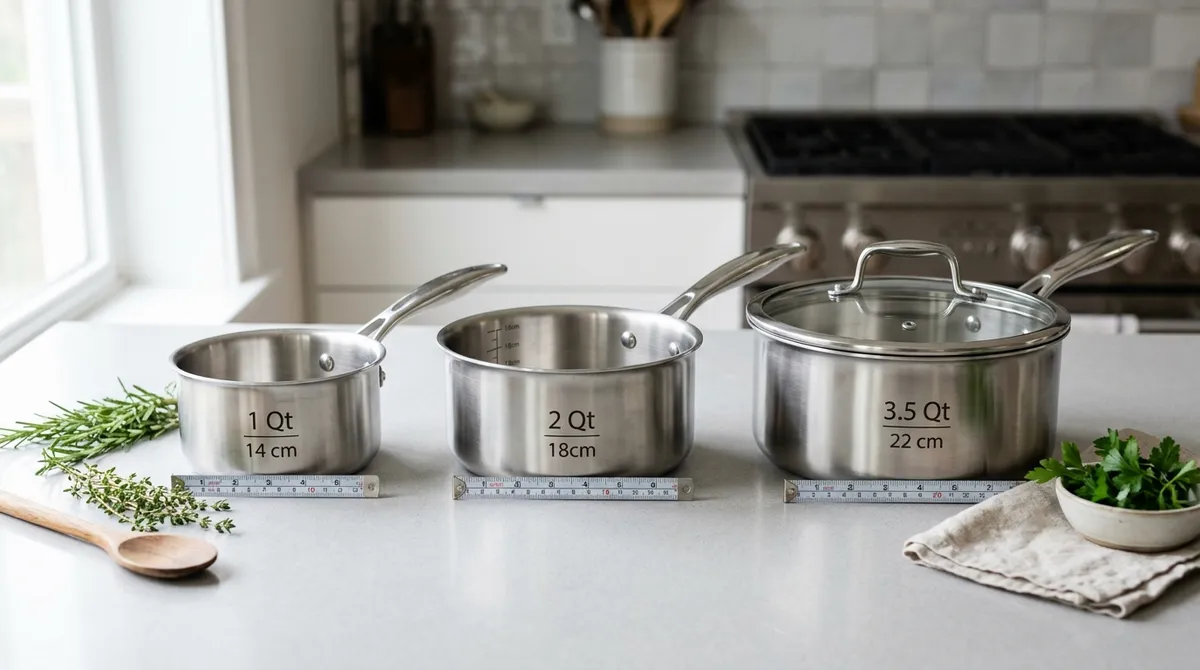
Cookware Category & Best Uses:
Standard 3-Quart to 3.5-Quart Everyday Saucepan. Ideal for cooking 2 cups of dry rice (yielding 6 cups cooked), simmering 4–6 bowls of soup, boiling up to 8 large eggs, or making family batches of tomato sauce without boil-over hazards.
The 75% Usable Volume Rule: Why Cookware Sizes Deceive Cooks
Cookware manufacturers worldwide measure and advertise saucepans according to nominal brimful capacity—meaning water filled flush with the absolute top lip of the pan. A pan labeled "3-quart" will physically overflow if 3.01 quarts are added.
When selecting cookware, always choose a saucepan rated at least 25% to 33% larger than your final intended liquid volume. For oven-safe saucepans transitioning to baking dishes, explore our Casserole & Baking Dish Volume Guide.
| Pan Size | Inside Diameter | Inside Depth | Brimful Cups | Safe Usable Cups | Load Pan |
|---|---|---|---|---|---|
| 1-Quart (Small) | 5.5 inches (14 cm) | 2.75 inches (7 cm) | 4 Cups (0.95 L) | 3 Cups (0.7 L) | |
| 1.5-Quart | 6.0 inches (15 cm) | 3.25 inches (8.3 cm) | 6 Cups (1.42 L) | 4.5 Cups (1.05 L) | |
| 2-Quart (Everyday) | 6.75 inches (17 cm) | 3.5 inches (9 cm) | 8 Cups (1.89 L) | 6 Cups (1.42 L) | |
| 3-Quart (Universal) | 7.75 inches (20 cm) | 4.25 inches (11 cm) | 12 Cups (2.84 L) | 9 Cups (2.13 L) | |
| 4-Quart (Large) | 8.75 inches (22 cm) | 4.75 inches (12 cm) | 16 Cups (3.78 L) | 12 Cups (2.84 L) |
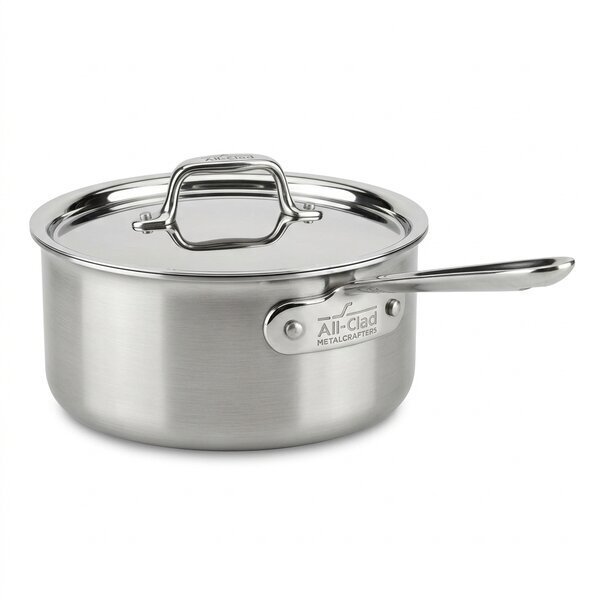
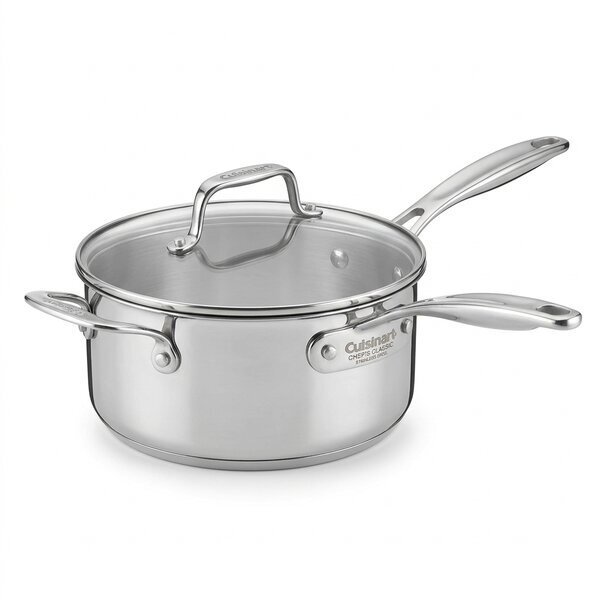
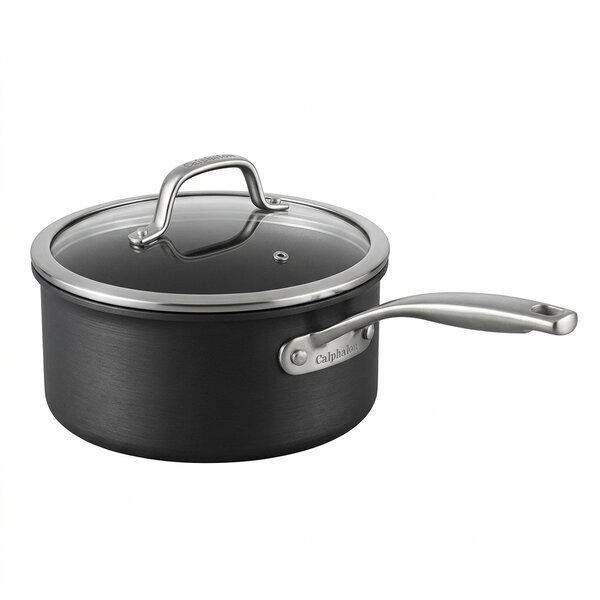
Popular Saucepans on Amazon (Spec Comparison)
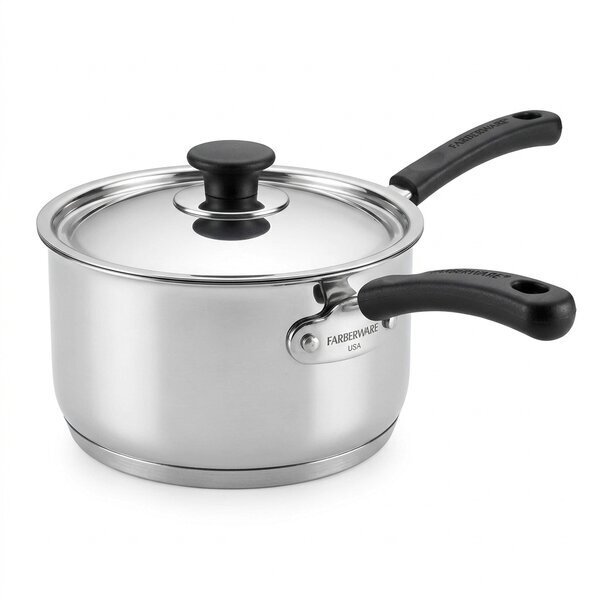
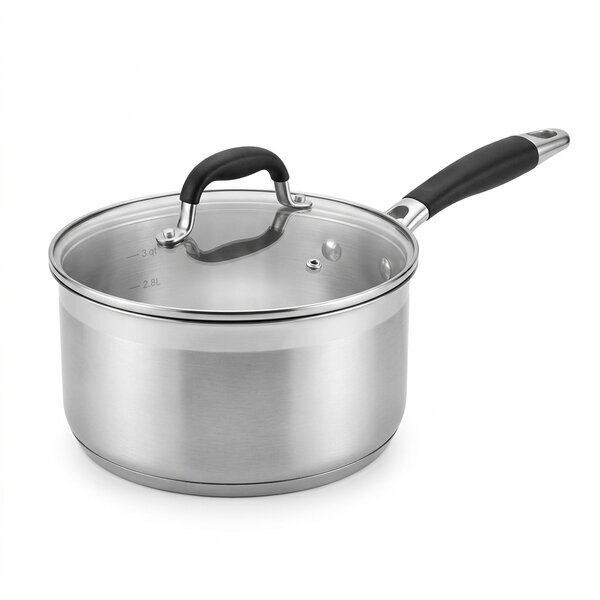
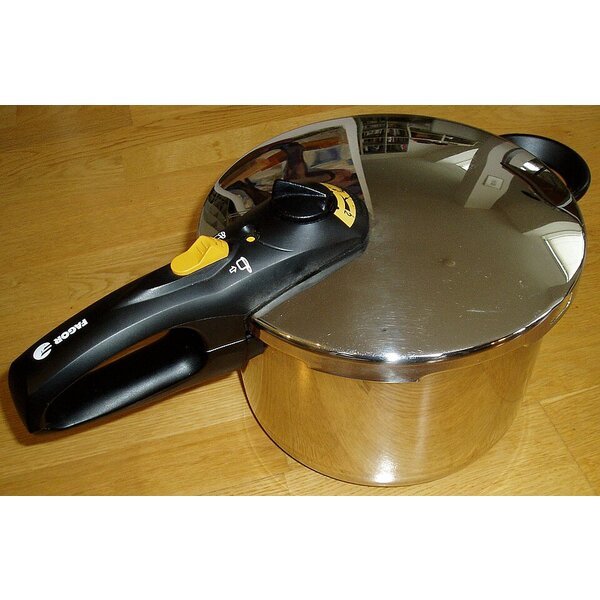
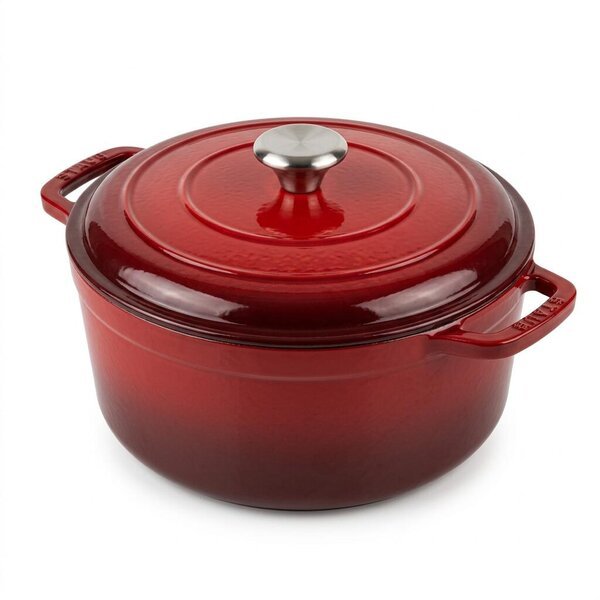
Amazon PicksPopular kitchen saucepans and cookware compared by volume accuracy, heat retention, and boil-over resistance:



Ingredient Expansion Matrix: What Actually Fits in Each Saucepan?
Grains expand drastically during hydration and cooking. White long-grain rice triples in volume, brown rice expands 2.5x, and dry pasta expands 2x while generating heavy starch foam. Here is the minimum pan size required based on dry ingredient volume:
🍚 Rice & Grains Sizing
- • 0.5 cup dry rice + 1 cup water: Needs minimum 1.5-Qt saucepan.
- • 1 cup dry rice + 2 cups water: Needs 2-Qt saucepan (yields 3 cups rice).
- • 2 cups dry rice + 4 cups water: Needs 3-Qt saucepan (yields 6 cups rice).
- • 3 cups dry rice + 6 cups water: Needs 4-Qt to 5-Qt saucepan/Dutch oven.
🍝 Pasta & Boiling Sizing
- • 4 oz pasta (1-2 servings): Needs minimum 2-Qt to 3-Qt saucepan.
- • 8 oz pasta (3-4 servings): Needs minimum 4-Qt saucepan with 3 quarts water.
- • 16 oz pasta (1 lb box): Needs 6-Qt to 8-Qt stockpot for rolling boil.
- • Boiling 4-6 large eggs: Fits comfortably in 2-Qt saucepan.
For pans that can transfer directly from stovetop to oven, read our detailed technical comparison on Stainless Steel vs Cast Iron Cookware.
How to Measure Any Saucepan in 5 Easy Steps
- Measure the Inside Diameter: Lay a rigid ruler flat across the top rim of the pan. Measure strictly between the inside walls. Do not measure the outside lip or handles.
- Measure the Inside Depth: Place a straight pencil or skewer horizontally across the pan rim. Use a ruler vertically from the interior base up to the bottom of the pencil.
- Calculate Cylinder Radius & Area: Divide the diameter by 2 to get radius ($r$). Multiply $r \times r \times 3.14159$ to obtain the surface area in square inches.
- Calculate Total Cubic Inches: Multiply surface area by inside depth. For example, a 7.75" pan with 4.25" depth yields approximately 200.5 cubic inches.
- Divide by 57.75 for US Liquid Quarts: 200.5 cubic inches divided by 57.75 equals 3.47 liquid quarts (nominal brimful capacity).
Saucepan vs. Saucier (Chef's Pan): Which One Do You Need?
While both vessels cook sauces and boil liquids, their geometric shapes serve different culinary techniques:
Standard Saucepan
Straight vertical sides, tight lid, and smaller surface area relative to depth. Traps moisture and steam efficiently, making it optimal for grains, rice, beans, steaming vegetables, and prolonged braises.
Saucier (Windsor Pan)
Curved, rounded bottom corners and flared walls. Allows balloon whisks and silicone spatulas to glide continuously without sauce scorching in corners. Speeds up reduction of gravies, glazes, and custards.
Need cookware recommendations? Browse our spec-compared selections in the Curated Kitchen Products Catalog.
Frequently Asked Questions: Saucepan Sizing & Capacities
What size is a standard medium saucepan?
A standard medium saucepan has an internal capacity of 2 to 3 quarts (1.9 to 2.8 liters). It measures 7 to 8 inches in diameter and 3.5 to 4.25 inches deep. Most recipe writers who call for a "medium saucepan" expect a 2.5-quart or 3-quart vessel.
How do you calculate the quart capacity of a saucepan?
Measure the inside diameter and vertical depth in inches. Square the radius (half the diameter), multiply by π (3.14159), multiply by depth, and divide the total cubic inches by 57.75. For example: a pan 7 inches wide and 3.5 inches deep equals 134.7 cu in ÷ 57.75 = 2.33 quarts.
What is the difference between total volume and usable capacity?
Total volume represents water filled flush with the absolute top edge. Safe usable cooking volume is 75% of nominal volume. Cooking with more than 75% capacity causes rapid boiling bubbles to foam and spill over the stovetop.
What size saucepan do I need for cooking 1 cup of dry rice?
Always use a 2-quart saucepan for 1 cup of dry rice. When combined with 2 cups of water, rice triples to 3 cups of cooked grain and creates substantial steam foam during the initial boil. A 1-quart pan will boil over immediately.
Can I substitute a Dutch oven or skillet for a saucepan?
A 3-quart Dutch oven can substitute for a saucepan for simmering soups or braises. However, a wide skillet causes rapid water evaporation due to its large surface area, drying out grains before they soften. For oven pan substitutes, visit our Bakeware Pan Size Guides.